From Bubbly, Burpy Beast to Sourdough Bread

From Bubbly, Burpy Beast to Sourdough Bread

From Bubbly, Burpy Beast to Sourdough Bread

In our household, National Sourdough Bread Day is a reminder to be generous.


My mom’s habit of giving a loaf of sourdough bread to new neighbors or someone needing comfort became our family tradition.

Bread makes a practical edible gift, but offering someone a scoop of sourdough starter promises them a future of fresh-baked treats. Starting with yeast captured in a desert garden, our 10-year-old starter, has made over 1,000 loaves of bread for meals, parties and gifts.

Keeping sourdough starter alive and healthy takes minimal effort and gives our family a nutrient-rich, flavorful ingredient for making sandwich bread, baguettes, buns, pizzas and more.


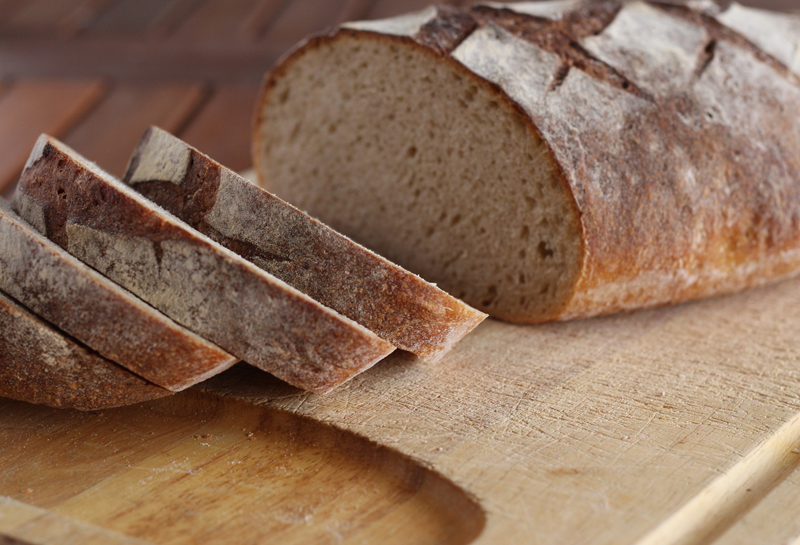
Sourdough bread loaf slice


Start with StarterSourdough bread starter


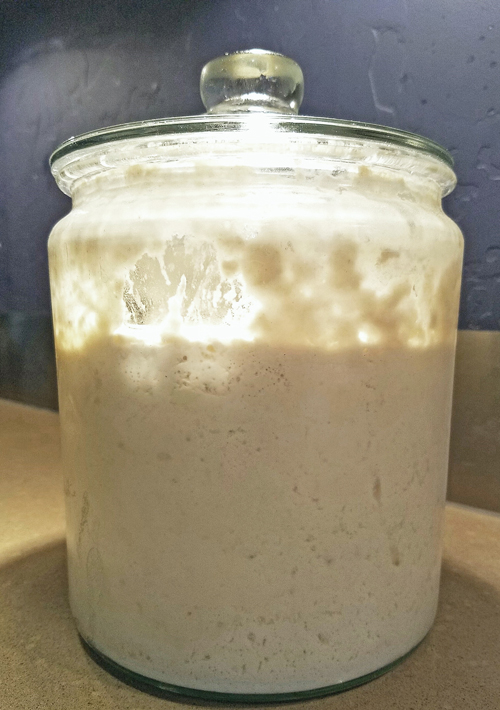
Even a minimalist kitchen has starter ingredients—water and a grain-based flour. The base ingredient in many doughs, it’s a goopy mass created from mixing nearly equal amounts in weight of flour (which naturally includes yeast) and water. Leaving this sludge uncovered will also expose it to wild yeast present in the air.

The type of yeast for bread products affects flavor, texture, shelf life, nutrient content and even digestibility. Commercially packaged dry or instant yeast rely on the Saccharomyces Cerevisiae yeast strain. Unlike starters that involve natural or wild yeast, it’s a monoculture yeast bred to speed up carbon dioxide (CO2) production for fast or mass-produced dough.


Flour + Water = Starter Base

Yeast starter sourdough bread explode

Rogue Sourdough Starter = Overactive fermentation

Fermenting and Feeding Little Beasties

To create a mature, bubbly starter, some starter is removed before it’s fed flour and water. Starches breakdown and yeast creates alcohol and CO2 while bacteria, like lactobacillus, develop flavorful acids and lower the pH. It’s preferred fermentation temperature is around 70°F but it can go rogue and explode (see picture) if too warm.

Within a week of this microorganism throw-down, a bubbly burping mass emerges ready to become bread.

Starter base + Fermentation & Feeding

= Active Starter

To make bread, flour is added to active starter along with other basic bread ingredients, salt (affects texture and flavor) and water, then it’s left to proof. The starter is then refed and stored, often in the refrigerator, to control the fermentation until the next use.
Some bakers confess to traveling with their starter or hiring a sourdough sitter to feed it, but once starter is active and healthy, it can last ten plus days in the fridge while you’re on a no-yeast pet vacation.

Scoop of Starter + Flour + Salt + Water = Dough ready to rise (Proofing)

Sourdough bread starterSourdough Bread Benefits

Home-made starter doesn’t guarantee tangy bread products, these develop from fermentation and result from lactic and acetic acid from specific yeast such Candida milleri and bacteria strains including Lactobacillus sanfranciscensis.

The production of fermentation acids and other compounds result in longer shelf life without additives or preservatives–see example below.
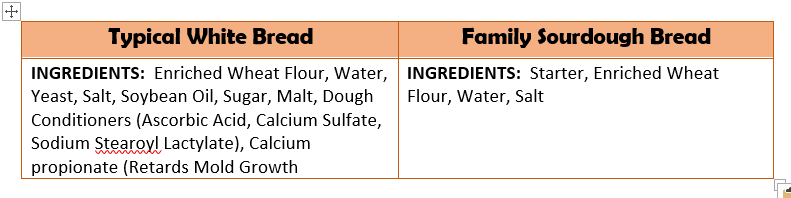
 

Stone soup sourdough bread ingredients


Unlike quick-rise or industrially-produced loaves which force breads to rise fast, longer rises create complex flavors and better structure (crust texture and chew density) which enhances flavor perception.

Longer rise times also give yeast and bacteria more opportunities to digest gluten and are linked lower and slowed glycemic response for long-fermented sourdough breads. A gift of sourdough bread isn’t just food, but an intention to share the nourishing and pleasurable experience of eating it.

    About Me

    The pleasure of food, good health and well-being through simple habits for eating well and flexitarian low-key cooking.
    Michele Redmond

    Michele Redmond

    French-trained Chef, Registered Dietitian Nutritionist & Food Enjoyment Activist

    It's about Making Food First

    Get Eat Well Academy periodic updates on easy ways to choose and cook foods that satisfy your appetite, nurture your body and make eating well a pleasure.
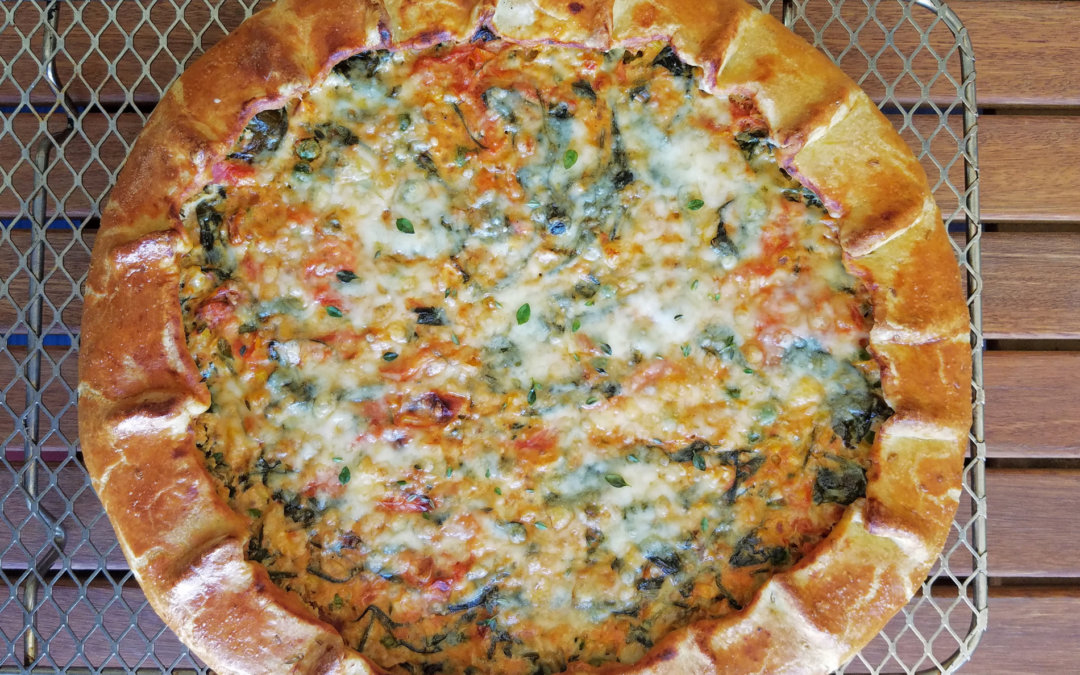
    Pizza as a Path to Veggie-Eating Kids

    Pizza as a Path to Veggie-Eating Kids

    Pizza as a Path to Veggie-Eating Kids

    Pizza Veggie Opportunities


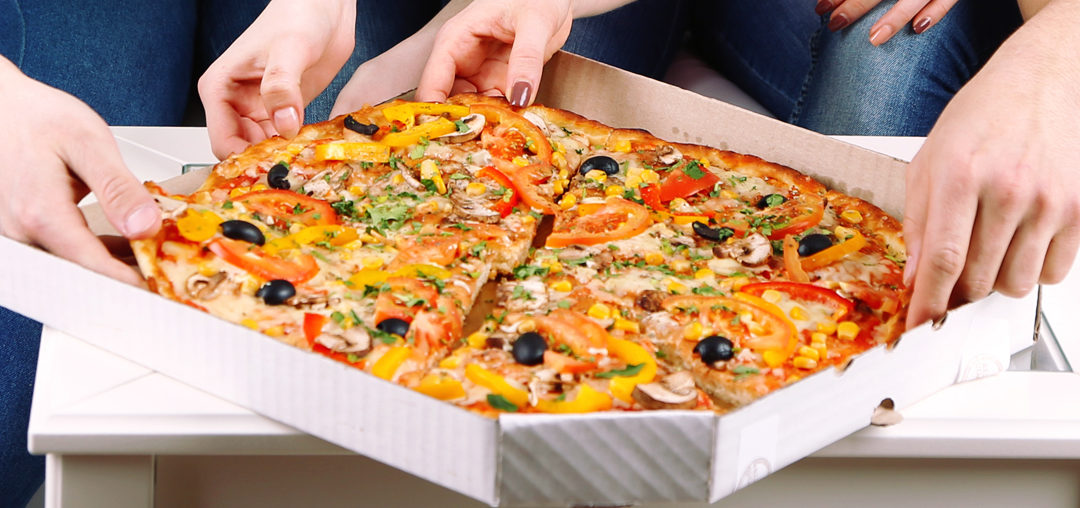
    Ask a group of American kids to all agree on meal they like. Pizza, a unifying force in the kid kingdom, wins. However, ask kids to agree on specific vegetables toppings and you’ll hear some “yuck” comments. Unfortunately, most pizzas for kids are made assuming kids have limited palates, particularly for vegetables.

    This lack of veggie variety is a missed opportunity for helping kids develop diverse palates for nutrient-rich foods. Fortunately, kids are actually more likely to try new veggie pizza toppings because they already have a positive association with pizza.

    Creating Scenarios for Veggie-Eating Kids


    Combining a potentially challenging food such as Brussels sprouts with a food kids already like, known as associative conditioning, can increase likeability for that food.

    In one “let’s get kids to eat stuff they don’t like study”, the kids who experienced associative conditioning with food pairings were more willing to start eating the “challenging” food by itself and needed less exposures before accepting a new food.

    It’s commonly recommended that kids need to try foods about 10 times to help them to develop a palate for the new food. However, in the study by Capaldi-Phillips and Wadhera using associative condition food pairings, kids were more accepting of a new and challenging food. They tried new veggies seven times before accepting them without being paired with other foods.

    Cooking & Tasting Veggies


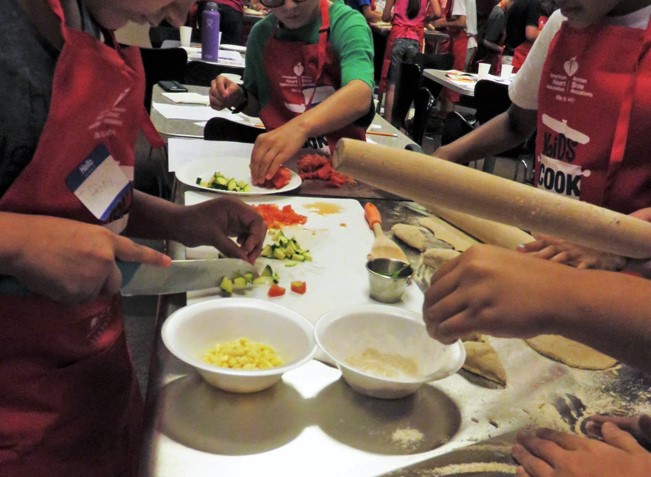
    I experimented with introducing veggies to young palates during cooking classes I taught to over 300 kids for the Halle Children’s Heart Museum. The kids, ages 7-12, made pizza’s cousin, flatbread from scratch. They cut vegetables (with chef knifes—not kid knives) and shared feedback about which ones they liked most.

    Kids responded well to vegetables that they’d eaten before even though they may have not tried them as a “pizza” topping. For veggies that were new, kids were encouraged to taste them before cooking since vegetables often become sweeter from cooking.

    halle cooking kids

    Zucchini, created the most resistance, but kids seemed to be more familiar with them being served soft or even mushy. Feedback about veggies and herbs they liked or were willing to try on pizza included:

    • Mushrooms*
    • Fresh tomatoes*
    • Broccoli*
    • Corn*
    • Olives
    • Basil
    • Carrots (consider roasted)
    • Red and orange peppers (most kids didn’t realize they were sweet)
    • Chiles and red chile flakes (sample of kids were from the spicy Southwest)

    *Measurable levels of umami which is a taste component kids love

    So consider other unifying foods that can create veggie-eating kids such pasta. Use meals or condiments that kids already like when introducing new veggies. However, this is not stealth nutrition where kids aren’t aware of the actual vegetables being used. Instead, it’s taste education.

    Here’s the “adult” flatbread recipe the kids prepared, cooked and ate in under 45 minutes. The flatbread dough itself can be made in under five minutes.

    KER_Kids Eat Right Month

    This post is in honor of Kids Eat Right Month™. This is the Academy of Nutrition and Dietetics and the Academy Foundation’s Month-long effort in August to highlight best practices and great information for healthy kids. More info on Kid’s Eat Right Month!

      About Me

      The pleasure of food, good health and well-being through simple habits for eating well and flexitarian low-key cooking.
      Michele Redmond

      Michele Redmond

      French-trained Chef, Registered Dietitian Nutritionist & Food Enjoyment Activist

      It's about Making Food First

      Get Eat Well Academy periodic updates on easy ways to choose and cook foods that satisfy your appetite, nurture your body and make eating well a pleasure.

      Roasted Cauliflower Steaks with Sumac

      Roasted Cauliflower Steaks with Sumac

      Roasted Cauliflower Steaks with Sumac

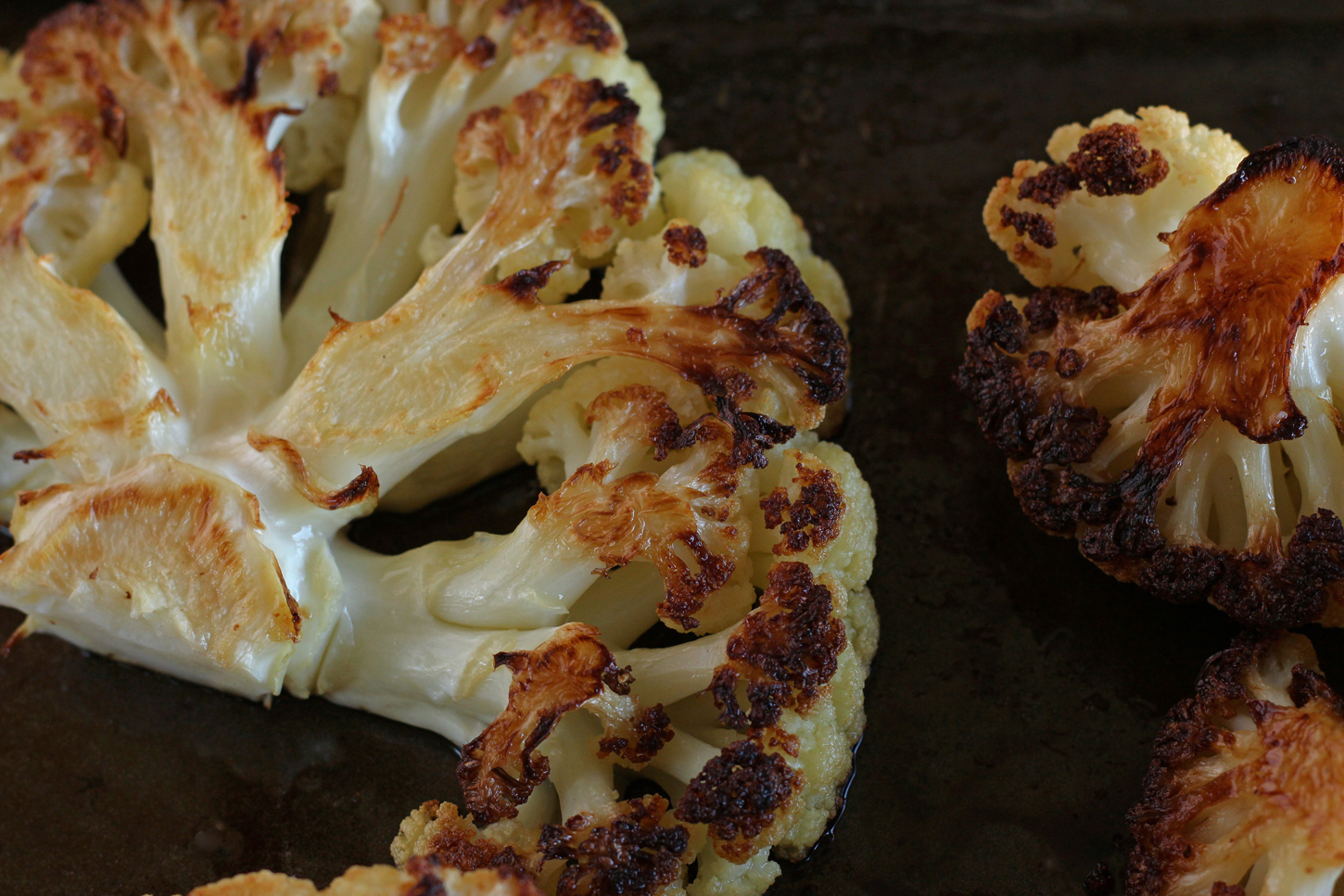
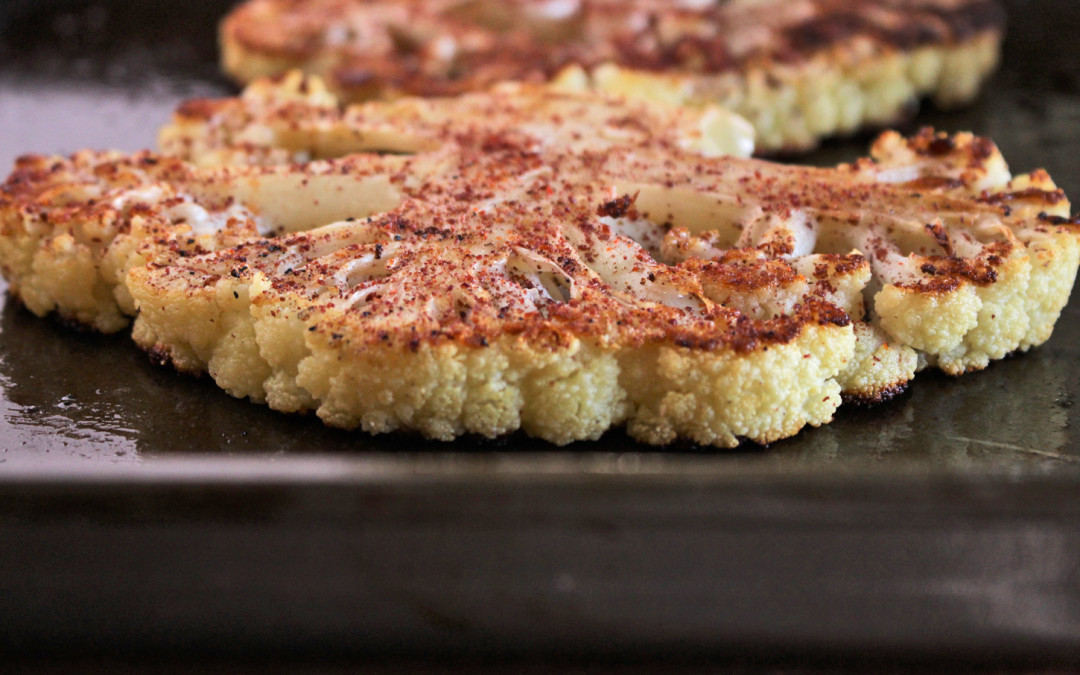
      Roasted cauliflower with sumac

      Roasted Cauliflower Steaks with Sumac

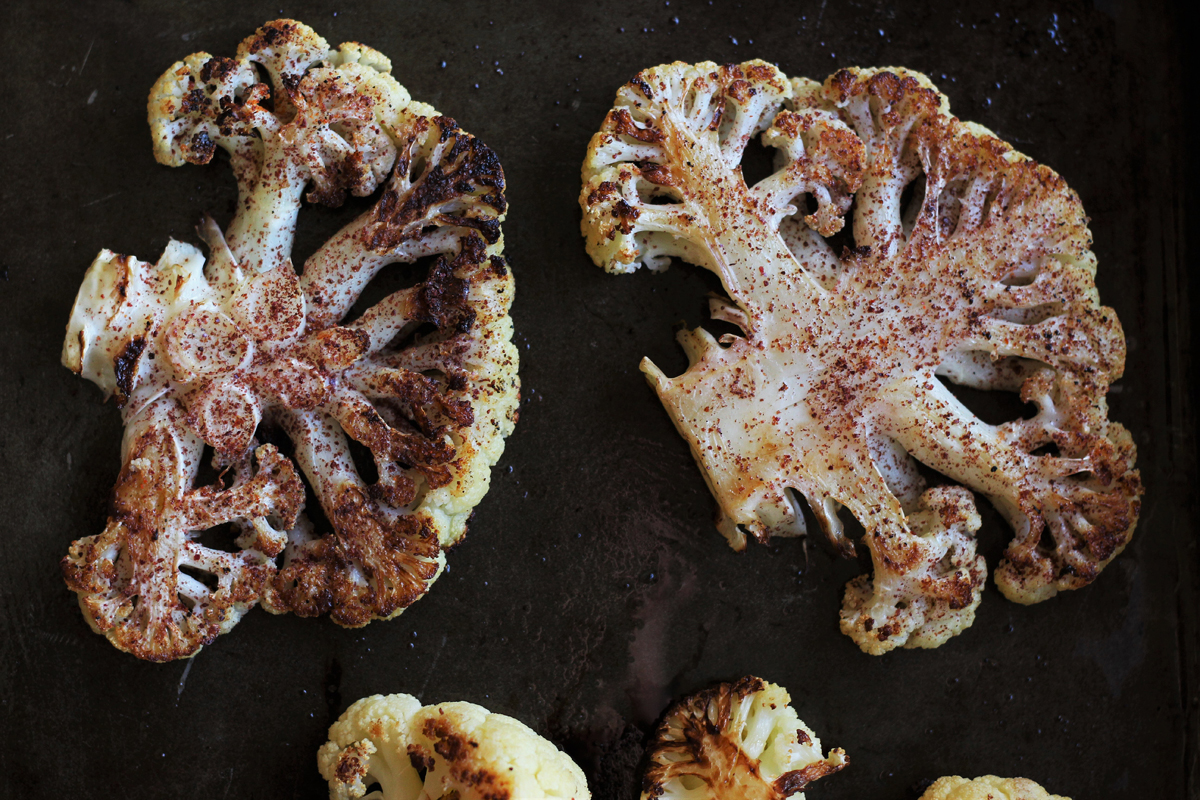
      Pan-seared cauliflower steaks work great, yet often require finishing in the oven. This cauliflower steak with sumac option shortcuts the pan-searing for a longer, but less fussy, roast in the oven.

      While these “C-steaks” may not satisfy a meat eater as a substitute, they will satisfy their appetite and offer meaty texture characteristics. The main stem of these veggie steaks offers a satisfying dense texture that contrasts with the crunchy outer florets and buttery softness of the smaller stems. So whether your diet is veg only or omni, cauliflower steaks can satisfy as a side or as a main dish when paired with complementary foods (see serving notes below).

      Sumac is from dried and ground sumac berries. It’s a unique flavor, but you can use a combination of lemon juice and zest to mimic sumac’s lemon notes (see taste notes below) or use any seasoning or spice mix you prefer. Think about balancing cauliflowers sweet notes with something that offers a hint of sour and/or spicy heat.

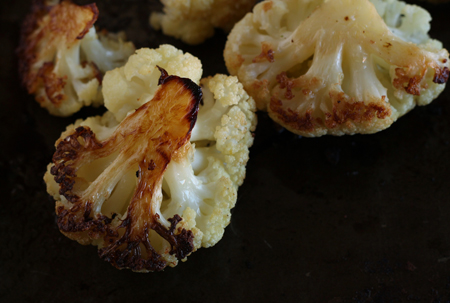
      Roasted cauliflower without sumac

      Roasted Cauliflower Steaks with Sumac

      Ingredients

      • 1 large cauliflower (2½-3 pounds)
      • 2 tablespoons extra virgin olive oil
      • Few pinches of fine sea salt (about ⅛ teaspoon)
      • 1 teaspoon ground sumac (optional but adds a soft tart or lemon flavor note)
      • A pinch of cayenne (about ¼ of an ⅛ teaspoon)

      Steps:

      1. Preheat the oven to 425°F and arrange a rack to be on the lowest level.
      2. Pull off the outer leaves of the cauliflower but do not cut out the core of the cauliflower. Trim the stem a bit if this helps stabilize the base of the cauliflower flat against a cutting board.
      3. With a chef’s knife, slice the cauliflower from top to base in one nice cut (avoid see-sawing the blade back and forth to keep florets from breaking off the stems). Depending on the size of the head, you may be able to cut 3-4 steaks sized at ¾ inch-thick “steaks” from the main stem and larger branches. As you cut, some florets will fall off which you can also roast or keep for another use.
      4. Place the cauliflower on the baking sheet, drizzle both sides or each steak with the olive oil and then season with salt. If you prefer to use less oil, brush oil onto steaks with a pastry brush.
      5. Place the baking sheet on the bottom rack and cook until cauliflower is browned (about 12 minutes).
      6. Remove from the oven and, with a spatula, gently turn the steaks over. Sprinkle the sumac onto the steaks—the side facing up.
      7. Place back on the bottom rack to finish cooking (about 10-12 minutes) or until browned on both sides and stems feel tender—the thicker branches should yield to a knife when pierced.
      8. Serve warm or room temperature.

      Roasted Cauliflower Steaks with Sumac

      • Cauliflower is a high satiety food with good fiber content, high protein content and low calorie values (107 calories for 4 cups chopped).
      • Glucosinolates and isothiocyanates phytochemicals and antioxidants found in cauliflower may be beneficial for inflammation-related health problems and play a role in its particular aroma and flavor.
      • Sumac adds bright red-purple colors and subtle hints of lemon or tang. It’s a great spice option for many dishes when lemons aren’t available or lemon juice isn’t the best form for delivering this taste and flavor element. Plus, lemons can add bitter notes.
      • Serve as a base for cooked grains or seeds such as quinoa
      • Top the steaks with a warm cannellini bean salad
      • Serve with salmon, chicken or fish
      • Serve without the sumac and instead a sauce like garlic walnut and herb sauce
      Roasted cauliflower

      Cauliflower is nothing but Cabbage with a College Education”

      Mark Twain

        About Me

        The pleasure of food, good health and well-being through simple habits for eating well and flexitarian low-key cooking.
        Michele Redmond

        Michele Redmond

        French-trained Chef, Registered Dietitian Nutritionist & Food Enjoyment Activist

        It's about Making Food First

        Get Eat Well Academy periodic updates on easy ways to choose and cook foods that satisfy your appetite, nurture your body and make eating well a pleasure.
        Almond and Hazelnut Dukkah

        Almond and Hazelnut Dukkah

        Almond and Hazelnut Dukkah

        Almond and Hazelnut Dukkah

        Dukkah, a savory spice and nut mix, has Arabic roots and worldly applications. Traditional key ingredients are nuts, coriander, cumin seed, salt and sesame seeds, but it can also include other seeds such as fennel and peppercorns. The word Dukkah is attributed to Arabic references to crush or turn to powder which can be done with a mortar and pestle or an electric spice grinder.

        • 1/3  cup whole unroasted hazelnuts
        • 1/3  cup unsalted whole unroasted almonds
        • 2  heaping tablespoons of sesame seeds
        • 2  tablespoons coriander seeds
        • 1  tablespoon cumin seeds
        • 1  teaspoon fennel seeds
        • 1  teaspoon black peppercorns
        • ½ teaspoon coarse sea salt (fleur de sel is nice)

        Steps: Preheat oven to 375°F

        1. Distribute the hazelnuts and almonds each to their own baking trays to control for cooking differences
        2. Toast nuts in the oven or toaster oven until lightly browned for 4-8 minutes, then remove from oven to cool. Rub the hazelnuts together in batches between your palms to remove most of the skin
        3. Chop the nuts into ⅛” size bits and add to a bowl. A bread knife helps to keep nuts from escaping
        4. Heat a skillet over medium heat and toast the sesame seeds until golden, remove
        5. Toss the spices into the skillet, shaking it a few times and heat the spices until they become aromatic
        6. Put the sesame seeds and spices in an electric grinder or mortar and pestle grind to a coarse powder
        7. Add the mixture to the chopped nuts. Sprinkle in the salt and stir.
        • Nutrient-dense food with high-satiety protein & healthful spices
        • Because of the natural oils in the nuts and sesame seeds, dukkah does not have a long shelf life but can be stored for a month in the refrigerator.
        • A spice blend of savory and nutty with hints of sweet and heat
        • Coriander adds a hint of lemon and wood notes
        • Crunchy textures from whole and crushed nuts and spices
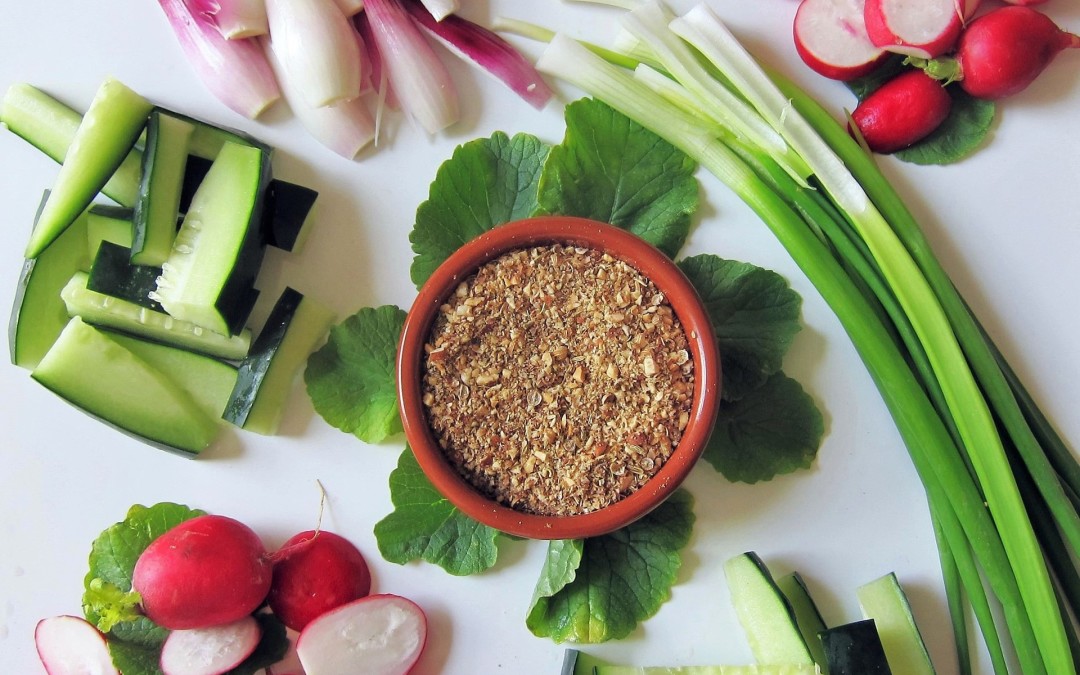
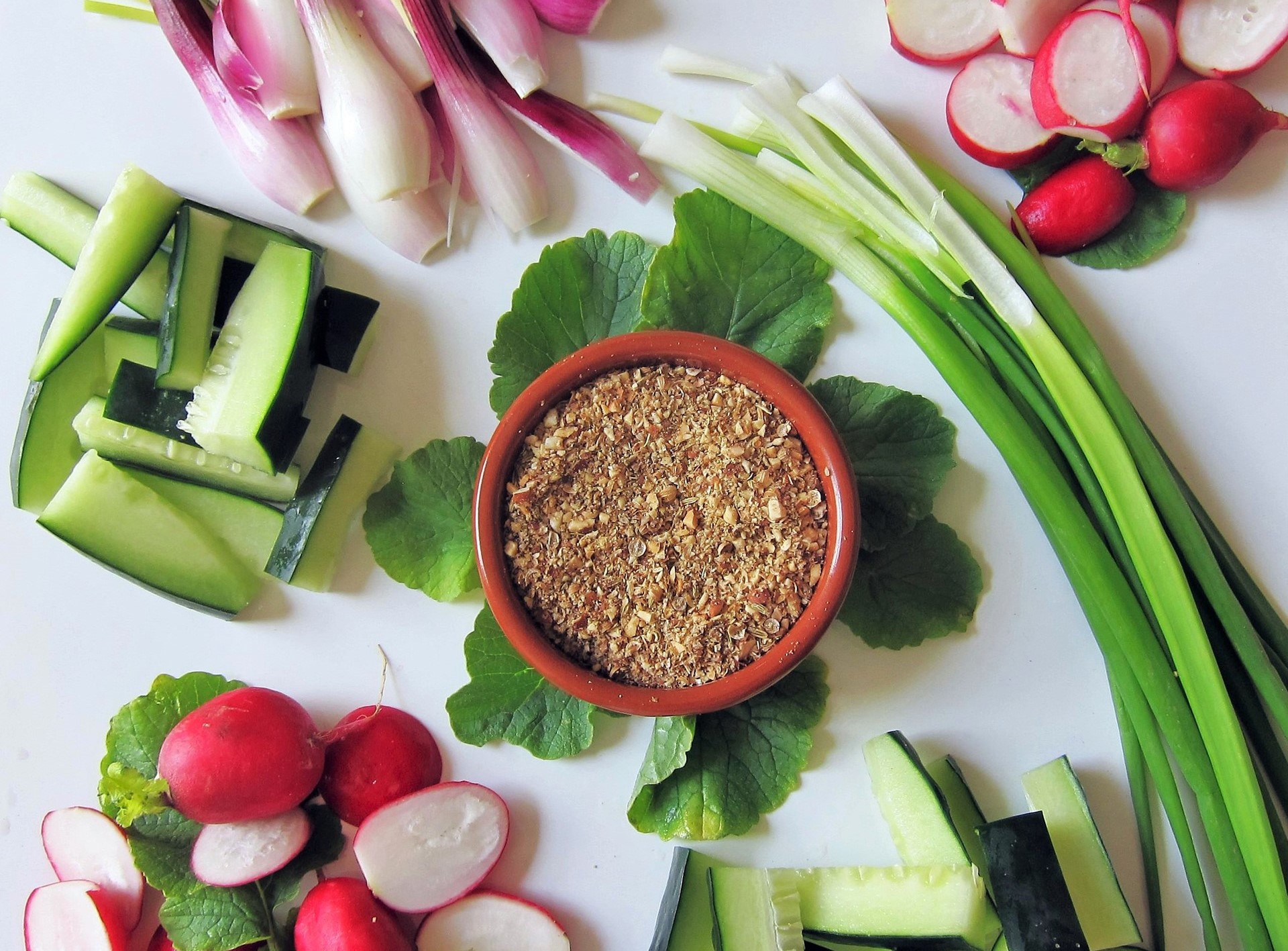
        • Use as a dip for crudité: radishes, cucumbers, sweet peppers, green onions, jicama, carrots
        • Use as an dip for bread by combining olive oil with the Dukkah
        • Use as a seasoning topping for flat bread
        • Sprinkle on roasted vegetables
        • Add to a fresh grated carrot salad

        “A popular spice blend that modern Egyptians enjoy just as their ancestors did thousands of years ago”


        History.com Spice of Life in Egypt

          About Me

          The pleasure of food, good health and well-being through simple habits for eating well and flexitarian low-key cooking.
          Michele Redmond

          Michele Redmond

          French-trained Chef, Registered Dietitian Nutritionist & Food Enjoyment Activist

          It's about Making Food First

          Get Eat Well Academy periodic updates on easy ways to choose and cook foods that satisfy your appetite, nurture your body and make eating well a pleasure.
          Garlic and Walnut Herb Sauce with Nutritional Yeast

          Garlic and Walnut Herb Sauce with Nutritional Yeast

          Garlic and Walnut Herb Sauce with Nutritional Yeast

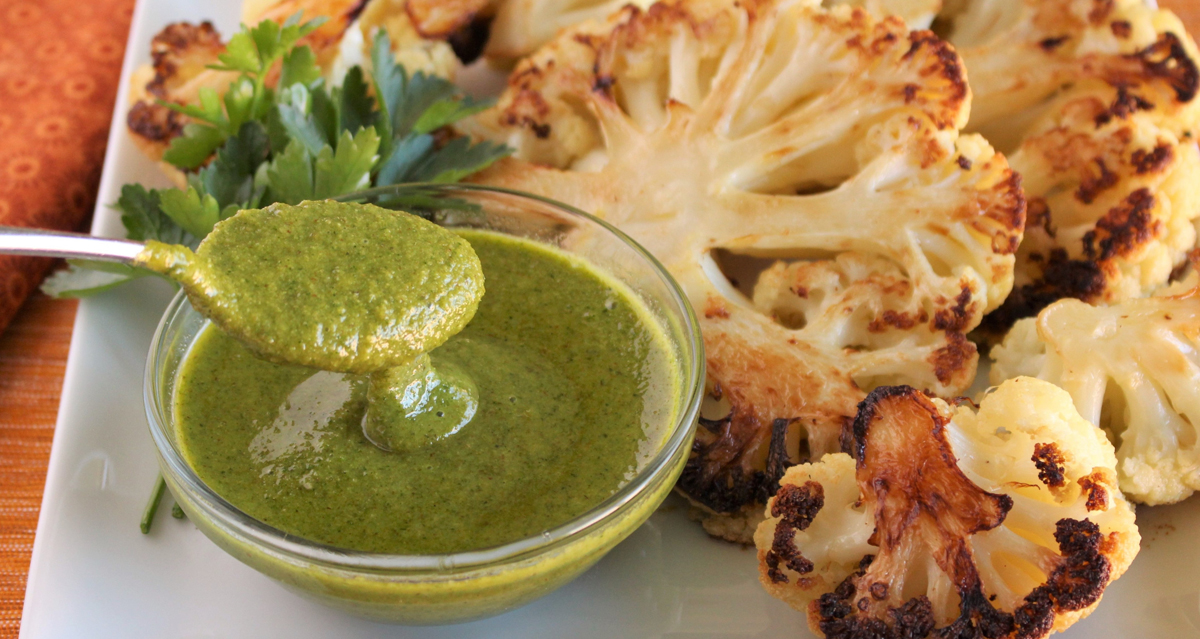
          Garlic walnut herb sauce with nutritional yeast

          Garlic and Walnut Herb Sauce with Nutritional Yeast

          This sauce is a creamy pesto-like sauce with parsley, walnuts and extra garlic but instead of cheese or added salt, it uses nutritional yeast.   Some people call this “nooch”, to give it a more affectionate, shorter name. Despite the technical, yet correct, ingredient name or its cutesy nickname, nutritional yeast offers authentic nutrient benefits and culinary options as a cheese substitute, low-sodium ingredient and thickener.   I don’t typically use products to substitute for authentic or “real food” ingredients, but I make an exception periodically with nutritional yeast. In addition to its great amino acid and fiber profile, has surprising savory, umami notes when cheese isn’t an option (see the tasting section below).

          Garlic and Walnut Herb Sauce with Nutritional Yeast

           Makes 1 cup

          Ingredients

          • 5-6 garlic cloves, peeled and the hard stem base is removed
          • ⅔ cup unsalted walnut pieces
          • 1½ cup tightly packed fresh parsley ( 1½-2 ounces w/ stems)
          • ½ cup tightly packed fresh basil (a bit over ½ ounce w/ stems)
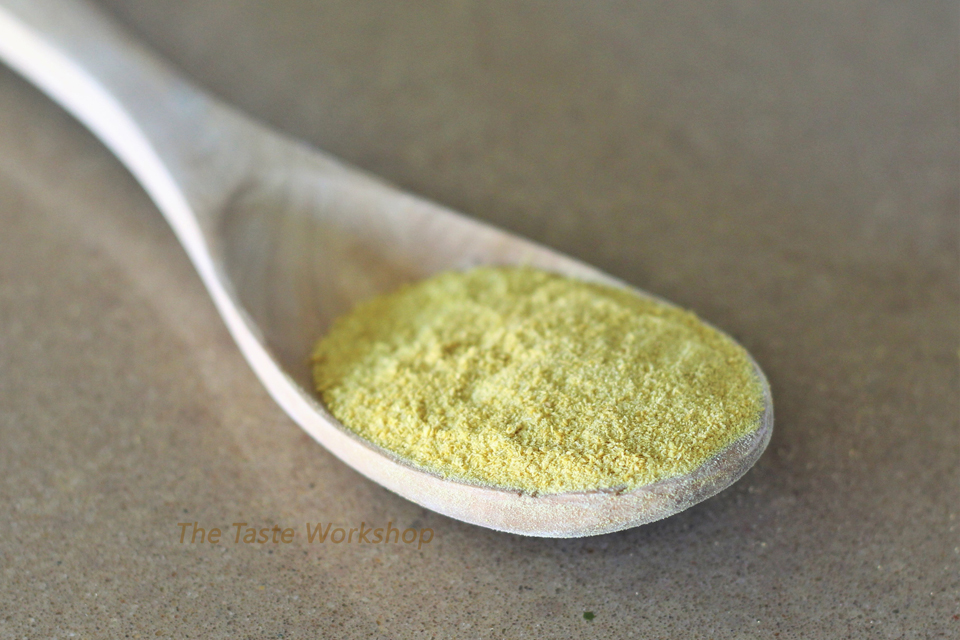
          • ¼ cup nutritional yeast (picture posted below)
          • ¾ cup extra-virgin olive oil (plus 2 tablespoons if a more liquid sauce is desired)
          • 1½ tablespoons fresh lemon juice
          • ¼ teaspoon salt

          Optional: ⅛ teaspoon cayenne (resist the temptation to add a lot more cayenne since it will mute the herb and nutty flavors)

          Prep Steps:

          1. Add the garlic and walnuts to a blender and pulse a few times for a course mixture.
          2. Rinse and dry the herbs. Destem the herbs, but some of the thinner parsley stems won’t be a problem.
          3. Add the herbs, nutritional yeast, olive oil, lemon juice and salt. Blend until sauce is smooth.
          4. Serve immediately. If storing in the refrigerator for later use, place plastic wrap directly on the exposed surface area to reduce oxidation which will turn the bright green color to a more muted army green color.

          Garlic and Walnut Herb Sauce

          • Nutritional yeast provides the full range of essential amino acids, but most importantly (since it has to taste good!), it offers savory umami attributes due to glutamic acid.
          • In this recipe, the perception of umami is further triggered by the use of walnuts, also high in glutamatic acid.
          • Nutritional yeast adds salty notes to the sauce despite its minor sodium contribution of 5 mg for 3 tablespoons. Three tablespoons of this brand also offers a nice fiber boost at 5 grams.

          I used KAL Brand of Nutritional Yeast Flakes purchased from Whole Foods and available in bulk at some grocery stores. I have no preference for brands; however, there are some taste, texture and quality differences.

          • Serve as a topping for roasted veggies
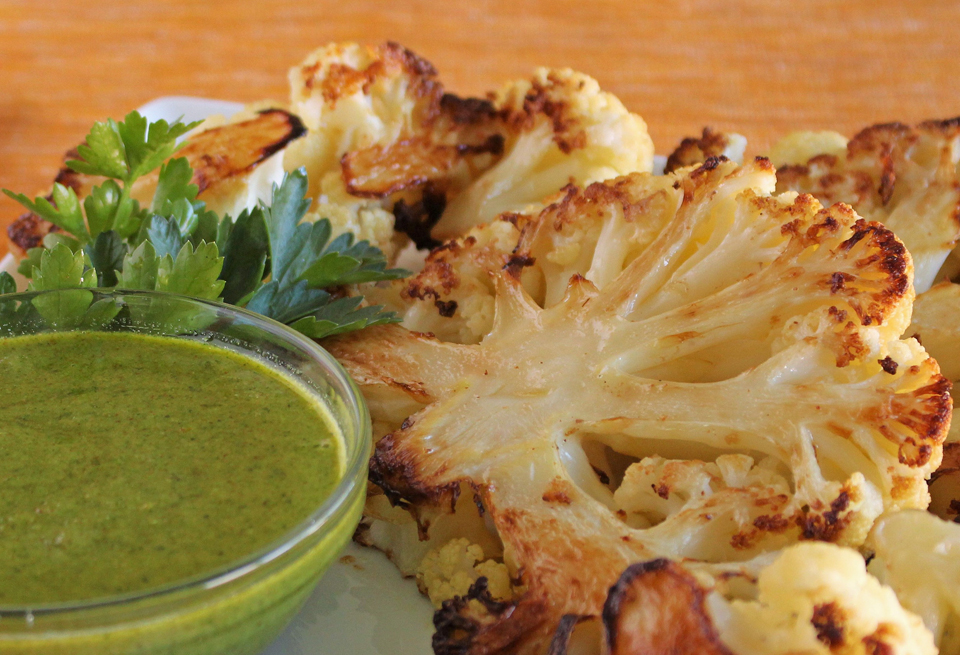
          • Excellent as a dip for roasted cauliflower florets or raw vegetables
          • Use as a sauce for pasta, rice, salmon, sautéed tofu or poultry
          • Use to garnish tops of creamy soups
          Nutritional yeast spoon

          “A nickel will get you on the subway, but garlic will get you a seat.”

          ~Old New York Proverb

            About Me

            The pleasure of food, good health and well-being through simple habits for eating well and flexitarian low-key cooking.
            Michele Redmond

            Michele Redmond

            French-trained Chef, Registered Dietitian Nutritionist & Food Enjoyment Activist

            It's about Making Food First

            Get Eat Well Academy periodic updates on easy ways to choose and cook foods that satisfy your appetite, nurture your body and make eating well a pleasure.